In 1976, the covers came off the Aston Martin Lagonda Series 2 at the London Motor Show, and the motoring world didn’t quite know what it was looking at.
This year marks 50 years since Aston Martin decided that the way to challenge the luxury saloons of Rolls-Royceand Bentley Motors wasn’t by copying them, but by doing something completely different.
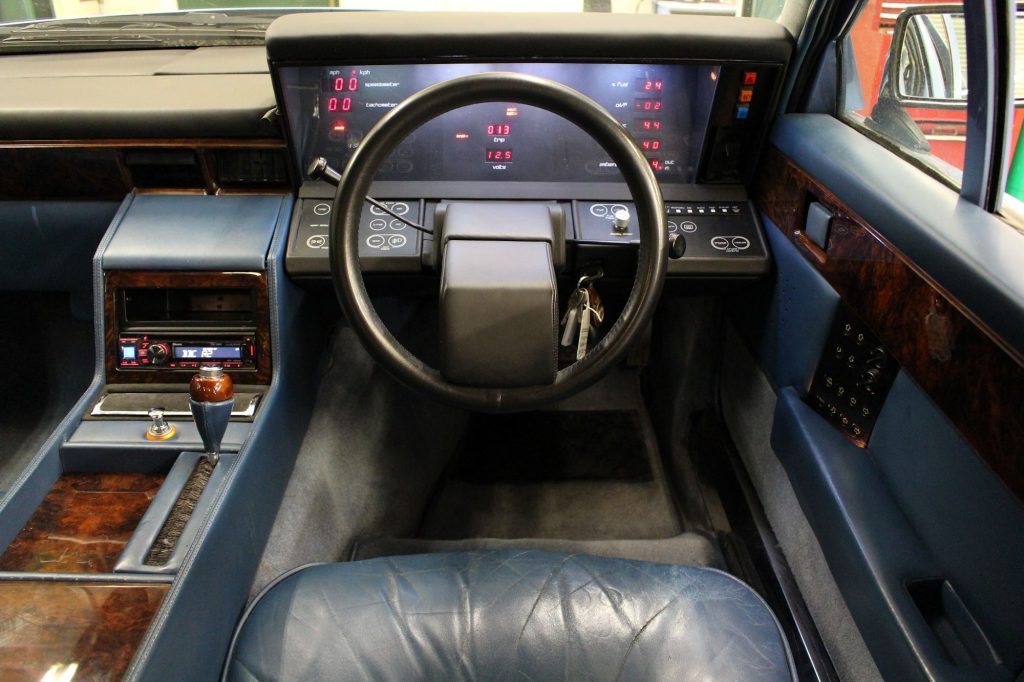
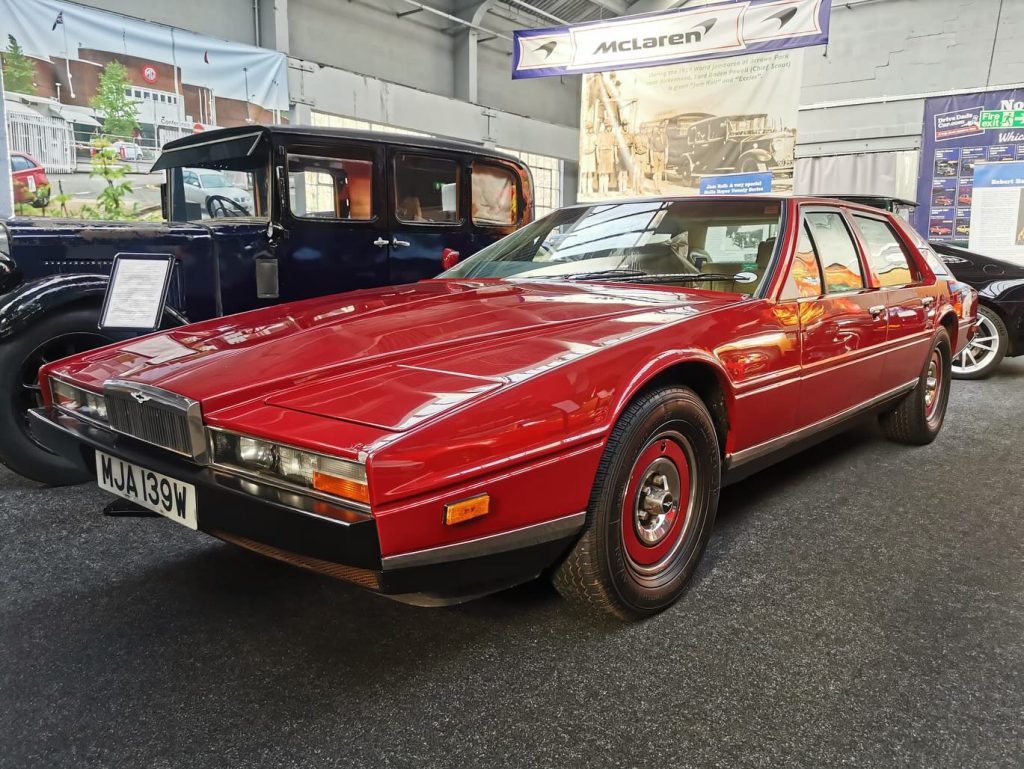
Designed by William Towns, the Lagonda looked like nothing else on the road. Its dramatic “folded paper” styling was all sharp lines and flat planes, more concept car than four-door saloon. Step inside and things became even more futuristic, with a fully electronic dashboard and touch-style controls that felt decades ahead of their time.
Proving Hard To Make...
Unsurprisingly, it grabbed attention immediately. Despite a price tag of nearly £50,000 in 1976, a staggering amount at the time, around 200 buyers put deposits down at launch.
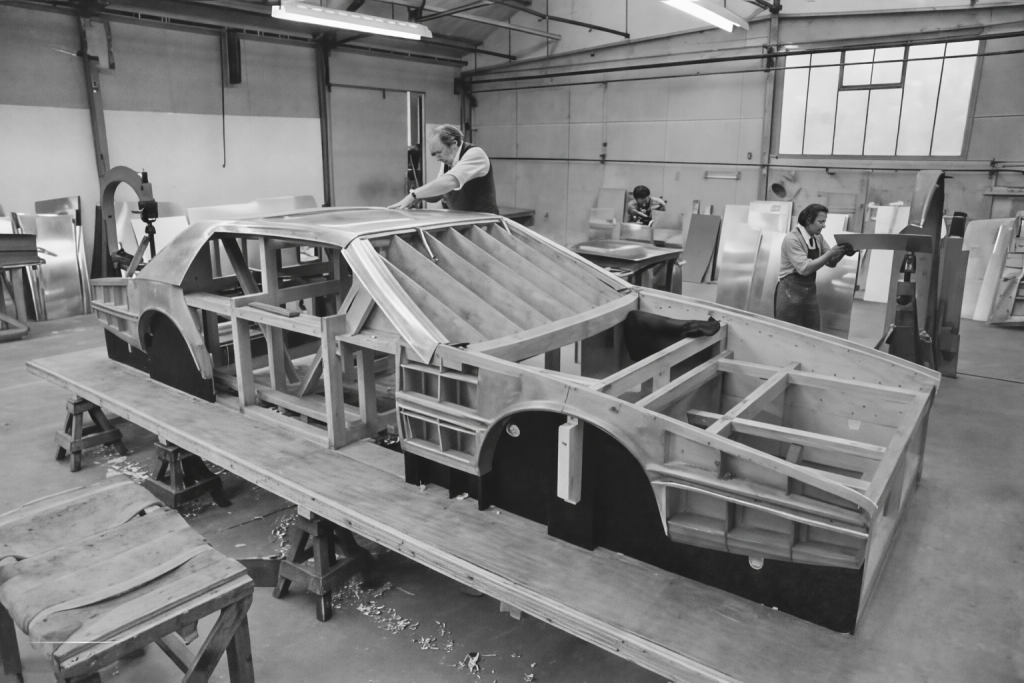
Actually building them proved rather harder.
The Lagonda’s ambitious electronics were famously temperamental, and production moved at a snail’s pace. It took more than a year before the first customer car reached Lady Tavistock. By that point even King Charles III had already managed to take one for a spin.
What A Flop...
In total just 640 Lagondas were built between 1977 and 1990, many heading to the United States and the Middle East where bold, extravagant cars were very much appreciated.
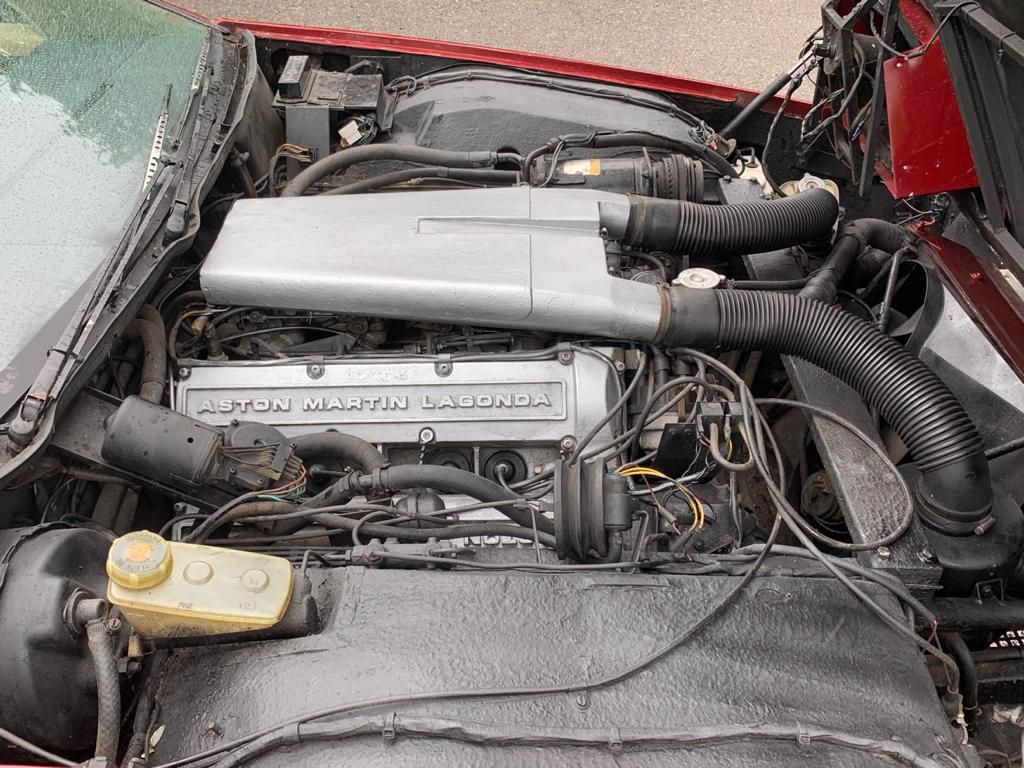
Under that vast bonnet sat Aston Martin’s 5.4-litre V8 breathing through Weber carburettors. It could reach 60 mph in around 8.5 seconds and run on to 148 mph, impressive performance for a car that looked like it had been sketched with a ruler.
Our example was delivered new on 1 October 1980 by Aston Martin agents Donaldson and Evans. Its last owner cared for it for more than 30 years and covered just 17,000 miles, leaving it in remarkable condition today.
Fifty years on, the Lagonda still divides opinion. Some see a masterpiece, others something a little more unusual. Either way, it remains one of the boldest cars Britain has ever produced.
We’re grateful to Aston Engineering for finding this car and helping us recommission her.